
Facial Recognition Security Systems
Integrating Facial Recognition into Security Systems and Home Automation
Biometric fingerprint access has been used for some years as a convenient, secure alternative to security codes and alarm fobs in high-end home security systems. We’ve always had a degree of reservation about fingerprint-based access specifically: a fingerprint reader inherently requires physical contact, and for clients with genuinely significant security concerns, that physical dependency is a meaningful drawback compared with a system that verifies identity without requiring any contact at all.
Facial recognition removes this concern entirely, and we’re considerably more comfortable specifying it for exactly that reason. It’s also, in practice, more reliable and more convenient day to day — nothing to clean, nothing affected by wet or gloved hands, no physical wear on a reader over years of use.
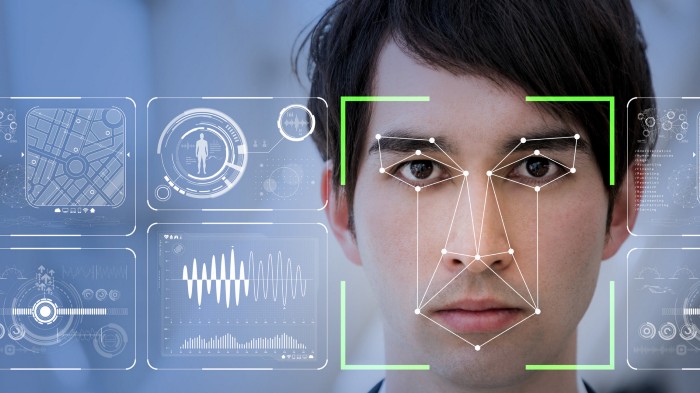
Benefits of Integrating Facial Recognition
- Automated door locks. Looking into a wall-mounted camera unlocks doors and gates automatically — by the time someone reaches the door, it’s already open. If the face isn’t recognised, access is simply denied.
- Access control by individual. Different household members can be granted access to different areas — staff and children excluded from a wine cellar, staff access restricted to set hours, a gardener able to open a side gate but not enter the home itself. A properly designed system can be managed entirely by a house manager, giving full control over who can access what, and when.
- Intruder detection. A fully armed security system can report activity to a central monitoring station, allowing a response before an intruder ever reaches the building. Facial recognition can distinguish a recognised regular visitor — a gardener, for instance — from someone unrecognised who has come through an unsecured gate, focusing attention and alerts accordingly.
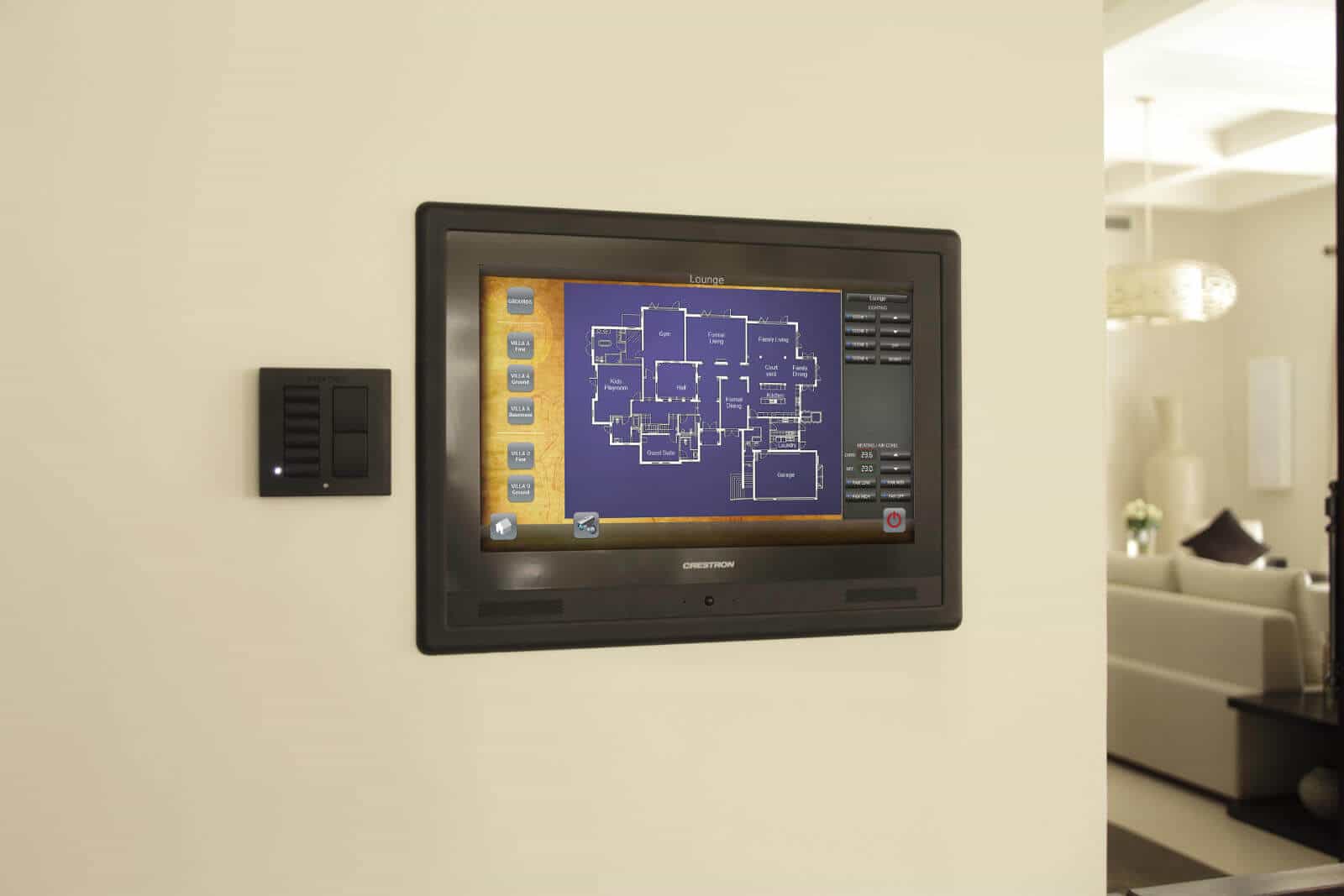
- Integration with home automation. Returning home to a favourite radio station already playing, lighting at the right level, and the temperature set exactly as preferred is genuinely achievable with facial recognition tied into the wider system — any event can be configured to trigger as someone enters or moves through the property, with audio and lighting following them from room to room.
Our Smart Home Services

Security & CCTV

Smart Homes

Home Automation

Lighting Control

HVAC Controls
Summary
For a high-end security system, facial recognition is a logical upgrade over fingerprint access — genuinely flexible, properly secure, and without the physical-contact dependency that fingerprint systems require. Contact us to discuss whether it’s the right fit for your property.
Frequently Asked Questions — Facial Recognition Security
Is facial recognition more secure than fingerprint access?
It removes the physical-contact dependency that fingerprint systems require, and tends to be more reliable in everyday use — unaffected by wet or gloved hands, with no physical wear on a reader over time.
Can different household members have different access permissions?
Yes. Facial recognition access control can be configured per person — restricting staff or children from specific areas, limiting access to set hours, or granting a gardener access to outdoor areas only — and managed centrally by a house manager.
Can facial recognition trigger home automation when someone arrives?
Yes. Recognising a household member at the door or gate can trigger lighting, climate and audio preferences automatically, with settings following that person as they move through the property.
Home Security Systems → · Crestron Home Automation → · Contact us →