Home Automation Installation London — Process, Timeline & What to Expect
From initial consultation through final commissioning: how professional smart home installation works in London properties
Home automation installation isn’t something you finish over a weekend. There’s architectural planning, electrical work, programming, testing, and a proper commissioning phase — and depending on the scope, that can run to several months. Here’s what actually happens at each stage, and why it takes as long as it does.
The Three Phases of Professional Home Automation Installation
Phase 1: Design & Planning (2–3 weeks)
Nothing gets installed until the design work is done.
Initial Consultation. We start by visiting the property — which rooms matter, which systems you want, what needs to integrate with what. In London this almost always means working around existing architecture. Listed buildings come with planning constraints. Georgian townhouses have cornicing you can’t drill into. Basement conversions often have no headroom to spare. We photograph the space, note where the electrical panel sits, check what network infrastructure already exists, and talk through your priorities.
System Design. From the consultation we produce a full specification: which control platform (Crestron, Control4, Savant), which lighting system (Lutron RadioRA 3 or Homeworks QSX), how the climate zones split, how security ties in. Every room gets its own list — dimmer modules, relay modules for shading, processing for AV. That document becomes the blueprint the installation team works from.
Infrastructure Planning. A smart home runs on power and data, so this stage covers both. On the electrical side: dedicated circuits for processors, isolated grounds for audio, surge protection where it’s needed. On the data side: Cat6A cabling runs, where the network closet sits, where access points go. In a listed or period property, this is the part that takes creativity — routing cable through existing conduit, keeping visible changes to a minimum, hiding infrastructure rather than working around it.
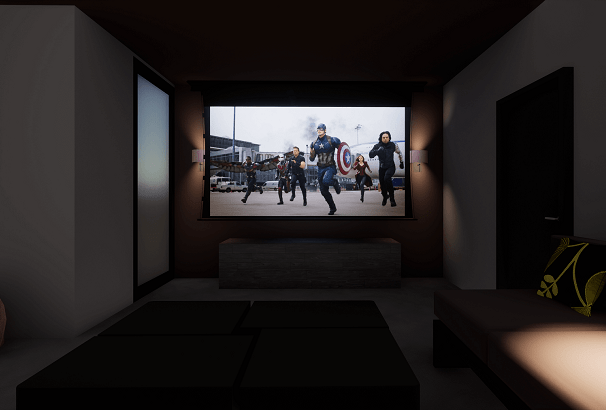
3D Visualisation. Most projects get a 3D render before anything is installed — where the touchpanels sit, how lighting scenes look room by room, how shading coordinates with daylight. It gives you something concrete to approve before work starts.
Timeline Confirmation. Once the design is signed off, we lock in an installation timeline. In London that’s usually 4–12 weeks, largely dictated by how much coordination is needed with other trades — electricians for circuit work, builders, plasterers finishing afterwards.
Phase 2: Installation (4–12 weeks depending on scope)
From here, several things happen at once: electrical work, equipment deployment, programming, and commissioning all run in parallel rather than one after another.
Electrical Infrastructure. Licensed electricians put in the new circuits, grounds, surge protection and distribution panels the design called for. In older London properties this usually means threading cable through existing walls and working around period features without damaging them — Grade II buildings add their own approval requirements on top. This stage generally runs 2–4 weeks.
Control System Deployment. Processors, dimmer and relay modules, and backup hardware go into the equipment room. Network switches and wireless access points get installed alongside the structured cabling. Security and climate sensors go up around the property. Everything gets a basic functionality check before programming starts — this runs alongside the electrical work, typically 2–3 weeks.
Programming. This is where the automation logic gets written: which lights respond to which scenes, how shading tracks the time of day, which devices talk to each other, how voice commands map to actions. No two properties get the same programme — it’s built around how you actually use the space. For a full system in a London townhouse or apartment, this usually takes 2–4 weeks.
Integration Testing. Each system gets tested on its own first, then together. Lighting scenes are checked room by room. Shading timing is verified against real daylight. AV distribution is tested at every endpoint, climate zones are balanced against each other. This tends to surface small edge cases that need adjusting, and usually takes 1–2 weeks.

Design

Installation

Lighting

Automation

Commissioning
Phase 3: Commissioning & Handover (1–2 weeks)
Commissioning is where the system gets tuned to how you actually live, and where you learn to run it.
On-Site Calibration. An engineer spends time in the property adjusting settings against real conditions — colour temperature and brightness for each lighting scene, automation routines refined based on how the rooms are actually used, voice recognition trained to the household’s accents. This is usually 3–5 days on site.
User Training. You’re walked through the touchpanels, the mobile app, setting up your own automations, using voice control, and the basics of troubleshooting. Documentation is written for your system specifically, not a generic manual.
Documentation & Support. You get wiring diagrams, control logic flowcharts, equipment manuals and software licences to keep. After handover, support continues — new preferences, new devices, troubleshooting questions, whatever comes up.
Why Professional Installation Takes Longer Than DIY
DIY smart home kits deploy in a day or two. Professional systems take weeks. The gap comes down to what each approach is optimised for — speed versus reliability over the long run.
Infrastructure First. A professional install runs structured cabling and dedicated circuits, and every connection gets tested. DIY setups are usually wireless with nothing behind them — quick to put in, but harder to scale and often more expensive to fix later.
Testing & Verification. Every scene, every integration, every connection is checked before you’re relying on it. That’s the difference between hoping a system works and knowing it does.
Coordination. Electricians, builders, and plasterers all need scheduling around each other. DIY skips that entirely — you plug things in as you go.
Reliability Over Speed. A system that goes in fast and fails in two months ends up costing more than one that took two extra months but keeps working without attention for a decade.
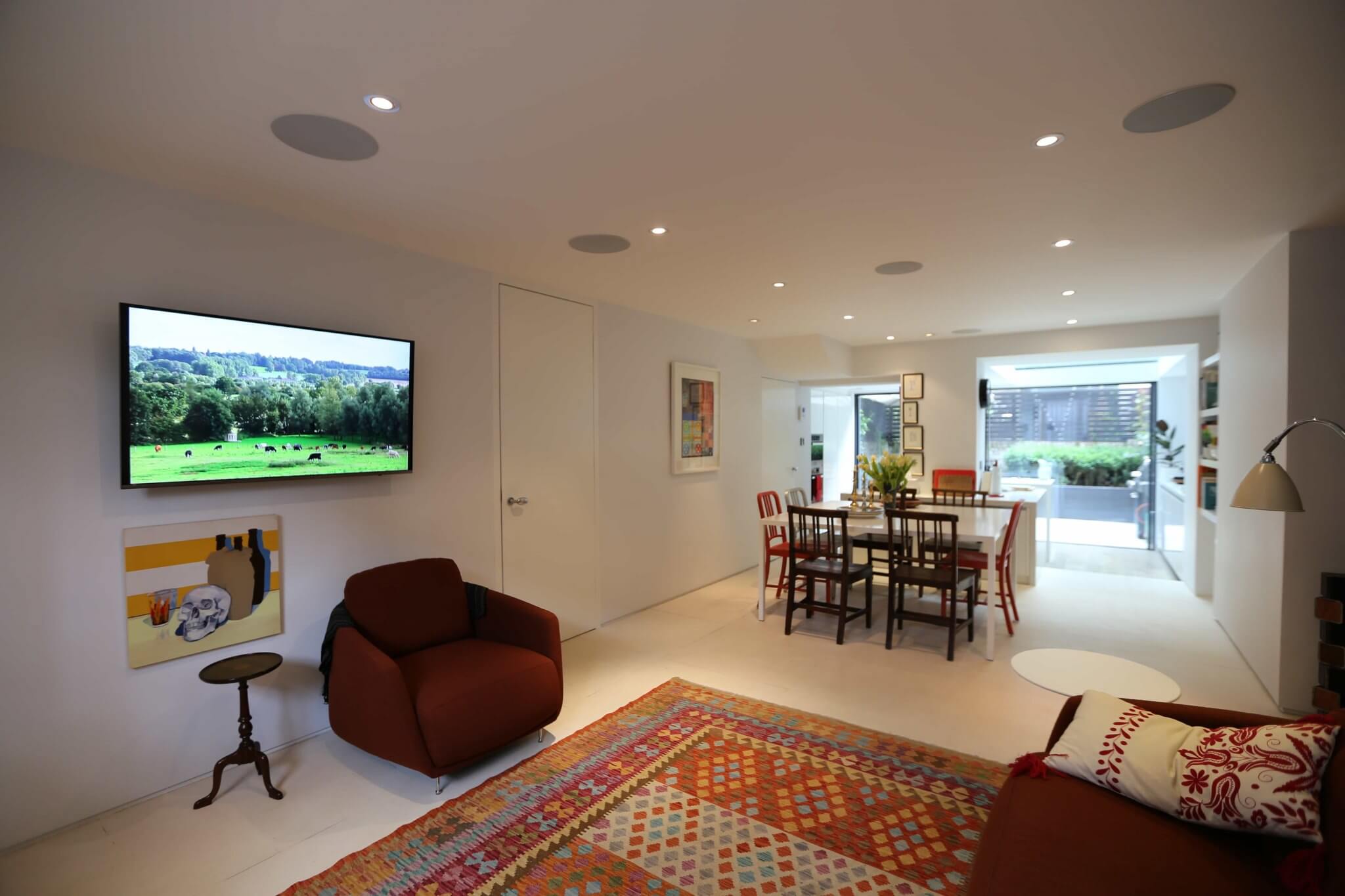
Special Considerations for London Properties
A few things specific to London properties change the timeline:
Listed Buildings. Grade II and Grade I properties need planning approval before any structural change. Work has to be reversible where possible and can’t touch historic features until a conservation officer signs off. Expect 2–4 weeks added to the schedule for this — the system itself doesn’t change, just how the infrastructure gets routed around what’s protected.
Period Properties. Georgian and Victorian townhouses tend to have solid plaster walls with no existing conduit, plus features you simply can’t damage. Cable gets routed through new conduit fixed to surfaces, or through suspended voids — both need more planning and more labour than a modern build.
Basement Conversions. A lot of London properties put the cinema or entertainment space in the basement. That means extra care with grounding and surge protection, moisture considerations for equipment placement, and sometimes tight headroom for cabling. None of it is a problem, but it does add planning time.
Apartment Buildings. Flats in period buildings often share walls with neighbours, and roof or exterior access can be restricted. The system gets designed around those limits — it’s a planning question, not a technical one.
Timeline for a Typical London Installation
For a full smart home system in a London townhouse, a typical schedule looks like this:
Week 1–2: Initial consultation, site survey, design specification produced
Week 3: Design review and approval, timeline confirmation
Week 4–7: Electrical infrastructure installation (circuits, grounds, conduit), in parallel with equipment procurement
Week 8–10: Control system deployment, network infrastructure installation, basic testing
Week 11–14: Programming and integration testing (lighting scenes, automation routines, AV distribution)
Week 15–16: Commissioning, on-site calibration, user training
Total: Around 16 weeks from first consultation to handover.
A simpler system — lighting and shading only, no AV or climate integration — can compress to 8–10 weeks. Country estates and large multi-floor London properties can run 6–8 months.
What to Do Before Installation Begins
A few things on your side keep the schedule on track:
Secure Approvals. If the property is listed, get planning permission for any structural work sorted before installation starts — allow 4–8 weeks for this.
Prepare Access. Clear rooms of excess furniture so technicians can work safely. If you’re replacing an existing AV setup, plan for the old equipment to be removed and recycled.
Plan Around Disruption. Parts of the property, especially during electrical work, may be off-limits for stretches of time. Worth factoring in if you’re living there during the install.
Communicate Preferences. Before programming starts, it helps to know which scenes matter most to you, which integrations are the priority, and how you want to control things — app, touchpanel, voice, or all three.
Professional Installation vs DIY
Most people look at DIY options — Philips Hue, IFTTT, a voice assistant — before committing to a full professional install. The difference shows up over time rather than on day one.
DIY systems go in within days, but they don’t share infrastructure across brands, reliability is inconsistent, and as your needs grow the system tends to hit a wall you can only get past by replacing it.
Professional systems take longer to install but are built to scale — new rooms and devices get added to existing infrastructure rather than requiring a rebuild, and they’re designed to run reliably for years rather than months.
If you’re staying in a London property long-term, the professional route tends to pay for itself through reliability alone. For a rental or short-term stay, a simpler setup may genuinely be the better fit.
Frequently Asked Questions — Home Automation Installation
How long does home automation installation typically take?
Around 14–16 weeks from first consultation to full commissioning for a comprehensive townhouse system. Lighting-only systems can be done in 8–10 weeks.
Can I live in my property during installation?
Yes, though during the electrical phase (roughly weeks 4–7) some areas may be temporarily inaccessible. Programming and testing cause little disruption by comparison.
What happens if my property is listed?
You’ll need planning approval for any structural changes, which typically adds 2–4 weeks. It changes how the infrastructure is routed, not what the system can do.
Can I add more automation later?
Yes — the systems are built to scale, so new devices, rooms, or integrations sit on top of the existing infrastructure rather than replacing it.
What’s the difference between Crestron and Control4?
Both are professional-grade platforms. Crestron tends to suit larger installations with complex AV and multi-zone lighting; Control4 is often the better fit for simpler systems built around app and voice control. Which one makes sense depends on the property and how you want to use it.
Getting Started
Every installation starts with a conversation about the property, your priorities, and what you want the system to do. We work across listed townhouses, period flats, modern apartments and country estates, and we know the constraints London properties bring to this kind of project — from comprehensive smart home automation to integrated lighting control to full Crestron systems.
Smart Home Installer London → · Crestron Installer London → · Contact our London office to discuss your installation →