
For Architects & Interior Designers

Smart Home Technology for Architects and Interior Designers
A Technology Partner Who Protects Your Design and Programme
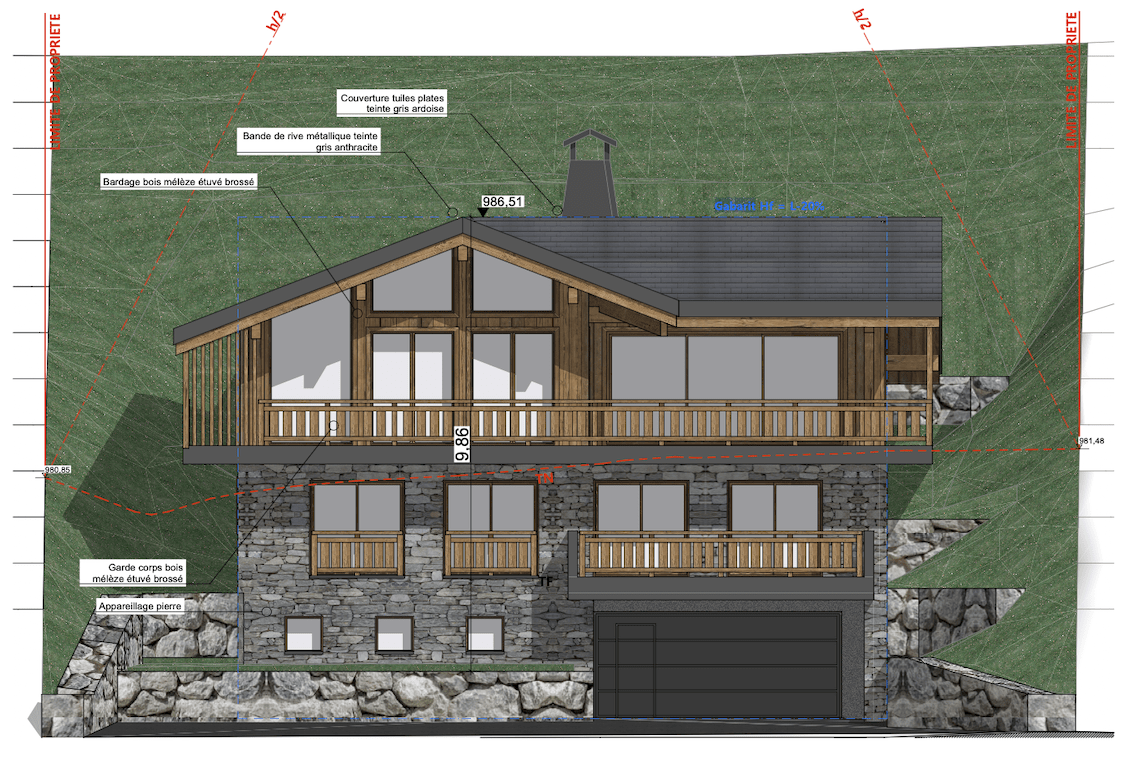
Custom Controls work with architects, interior designers and main contractors on luxury residential projects across London, Cheshire, the Alps and Dubai. We have been doing so since 1998 — long enough to understand what good collaboration looks like from your side of the table, and to have made and learned from every mistake that a technology company can make on a design-led project.
This page is for design professionals considering us as a technology partner. It explains how we work, what we provide at each stage, and why the approach we take to technology integration makes the finished project better — not just for the client, but for the architecture and the interior.

Home Automation

Lutron Lighting

Home Cinema

Lighting Design

WiFi & Network
The Problem with Technology on Design-Led Projects
The technology company that arrives after the interior design is complete and tries to install a system into a finished room is a common source of programme delays, design compromises and client disappointment. Conduit routes that weren’t anticipated. Keypads that don’t match the specified finishes. Speaker positions that conflict with the lighting design. A control interface that looks nothing like the aesthetic of the room it sits in.
These are not technology problems. They are coordination problems — and they arise because most technology companies are not structured or experienced enough to engage at the right stage of a project. We are. We work at RIBA Stage 2, alongside the architect and interior designer, before any design decisions have been made that technology will later have to work around.
How We Work — Stage by Stage
RIBA Stage 2 — Concept Design. We engage at Stage 2 to understand the brief, identify where technology integration will affect the architecture and interior, and produce an outline system specification and scope. Room allocations for AV racks and server equipment, conduit routes and penetration strategy, speaker and screen positions for cinema rooms, keypad locations relative to the lighting design — all of these decisions are better made at Stage 2 than at any later stage.
RIBA Stage 3 — Spatial Coordination. We produce a detailed technology schedule aligned with the architect’s spatial drawings — room-by-room device positions, rack and server room layouts, containment routes, penetration schedules and power requirements. We attend design team meetings and produce the information needed by the M&E engineer to accommodate technology infrastructure in their drawings.
RIBA Stage 4 — Technical Design and Specification. Full system specification, equipment schedule, rack drawings and wiring schedules for the main contractor package. We provide NBS specification clauses for the smart home and AV systems where required.
Construction Stage. We coordinate directly with the main contractor, specialist subcontractors and the M&E engineer throughout construction. We attend site meetings, carry out first-fix inspections and manage the equipment delivery and installation programme.
Commissioning and Handover. We commission the system fully before the client moves in — programming Crestron, Lutron scenes and cinema calibration offsite where possible, minimising the commissioning time in the completed interior.
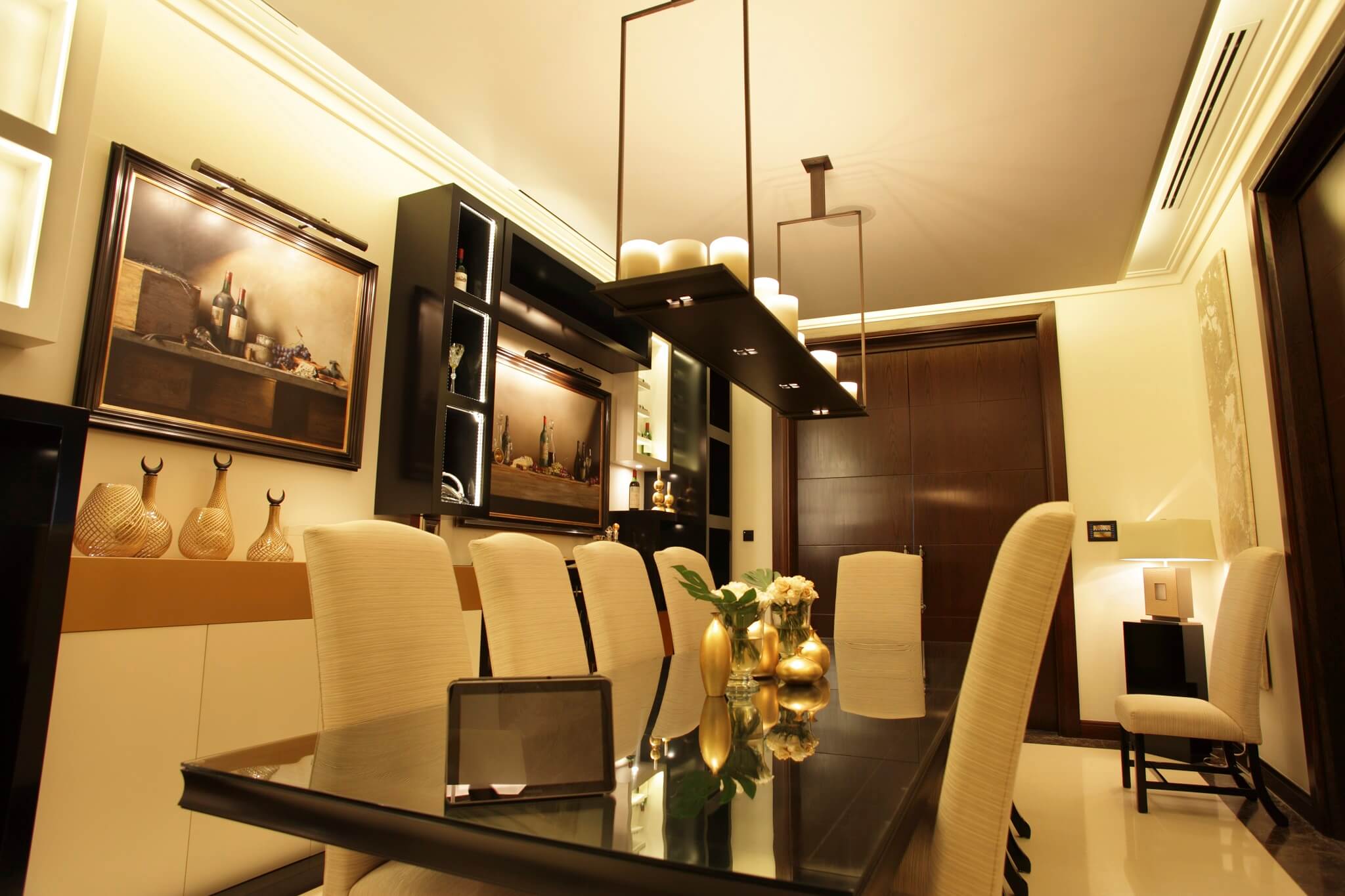
Lutron Lighting — What We Provide to the Lighting Designer
We are certified Lutron dealers for Homeworks QSX and RadioRA 3, and we work directly with residential lighting designers as part of the project team. The relationship works best when the lighting designer specifies the circuits and the intended effect, and we specify the control system that delivers it — Lutron QSX for wired new build projects, RadioRA 3 for retrofits.
We produce the Lutron lighting control drawing package — circuit schedule, keypad positions, scene programme and integration schedule — in a format that the lighting designer can review and approve before programming begins. For Ketra tunable white projects, we model the circadian lighting programme with the lighting designer to agree the colour temperature transitions and intensity curves appropriate for each room.
The Keypad Question — Making Technology Disappear
The most common conversation we have with interior designers is about keypads. A lighting keypad is both a functional device and a piece of interior furniture — it sits at eye level in every room, it is handled every day and it is visible in every interior photograph. Getting it right matters.
Lutron’s Palladiom range is our standard specification for high-end projects: machined metal faceplates available in nine standard finishes, with a choice of engraved or printed legends and button configurations from one to eight buttons. For projects with a specific materials palette — unlacquered brass, a particular shade of dark bronze — we work with the Lutron technical team to explore custom finishes where standard options do not match the brief.
For projects where technology must be entirely invisible, we have integrated Crestron control into a range of custom solutions: control via iPad, dedicated touchpanels that replace a standard socket plate, and scene recall via discreet wireless Lutron Pico remotes concealed in furniture.
Home Cinema — Working with the Architecture
A home cinema room designed from scratch, with the architect and interior designer involved from the start, is categorically different from a home cinema installation fitted into an existing room. We produce full acoustic modelling and 3D renders before any construction begins — the renders are produced in a format that can be shared with the interior designer and main contractor as part of the design coordination package.
Speaker and screen positions are coordinated with the interior design at Stage 3. Fabric wall treatment specifications are produced in coordination with the interior designer — we specify the acoustic performance requirements, the interior designer selects the fabric and the frame finish. Our acoustic design team produces full construction drawings for the acoustic contractor and joiner — stud wall specifications, cavity depths, acoustic underlay schedules and damping requirements.
Why the Portfolio Matters to Your Client
We are five-time Crestron Integration Award winners and hold Crestron Dealer of Distinction status. We are certified Lutron dealers for Homeworks QSX and RadioRA 3. We are RoomPerfect Certified Professionals, one of a small number of UK installers recognised by Steinway Lyngdorf for our calibration expertise. Our portfolio includes a private IMAX Enhanced cinema in Dubai, whole-estate Crestron installations across London and Cheshire, and alpine chalet projects across France and Switzerland.
We are not the cheapest technology company a client can appoint. We are the company that will still be here, still supporting the system, still answering the phone, in fifteen years.
What We Ask of the Project Team
Early engagement. Technology decisions made late in a project are consistently worse — more expensive, more disruptive to the finished interior and more likely to disappoint the client — than decisions made at Stage 2. The cost of engaging us at concept stage is a small fraction of the cost of value-engineering technology into a project at Stage 5.
Get in Touch
We are happy to meet — at your studio, on site or at our London or Cheshire offices — to discuss any project at any stage. We do not charge for preliminary design consultations or feasibility discussions.
Contact our London office → · Contact our Cheshire office →
Architects and Designers FAQs
- When should a smart home technology consultant be engaged on a residential project?
Ideally at RIBA Stage 2, before any design decisions are made that technology will later have to work around. Conduit routes, rack room locations, speaker and screen positions and keypad locations relative to the lighting design are all substantially easier and less expensive to resolve at Stage 2 than at any later stage. We engage at Stage 2 on all projects where we are appointed as the technology consultant. - What Lutron keypad finishes are available for luxury residential projects?
Lutron’s Palladiom range is the standard specification for high-end projects, with machined metal faceplates in polished nickel, satin nickel, dark bronze, champagne, aged brass and more, engraving options and button configurations from one to eight buttons. Custom finishes are available where a materials palette is not matched by the standard options. - How do you coordinate with a residential lighting designer on Lutron projects?
We work directly alongside the lighting designer as part of the project team. The lighting designer specifies the circuits and intended effect, and we specify the Lutron control system that delivers it, producing a lighting control drawing package of circuit schedule, keypad positions and scene programme for review and approval. For Ketra tunable white projects we model the circadian programme with the lighting designer before programming begins. - Do you provide 3D renders for home cinema rooms?
Yes. We produce photorealistic 3D renders of every home cinema room before construction begins, showing the seating arrangement, screen position, wall treatments, ceiling design, lighting and soft furnishings. Speaker and screen positions are coordinated with the interior design at Stage 3 before any renders are finalised. - Why does technology cause problems on design-led projects?
Usually because of coordination, not technology. A technology company arriving after the interior design is complete tries to install a system into a finished room, leading to unanticipated conduit routes, keypads that do not match the specified finishes and speaker positions that conflict with the lighting design. - Do you work with the rest of the design team?
Yes. We work with architects, interior designers and main contractors on luxury residential projects across London, Cheshire, the Alps and Dubai, and have done so since 1998.